
Note: This post is adapted from one I wrote years ago over at The AFC Dad: Adoption, Foster Care, Dad. (Andrew)
Each time I take part in a discussion with parents on a high impact journey, one common theme emerges: loneliness. It’s a common feeling that they are the only ones to have ever experienced life in this way. No parent should ever feel alone. It’s critical for them to experience the love and kindness of others.
There are four common ways people provide support. These in turn make four types of supporters for people on a difficult parenting journey.
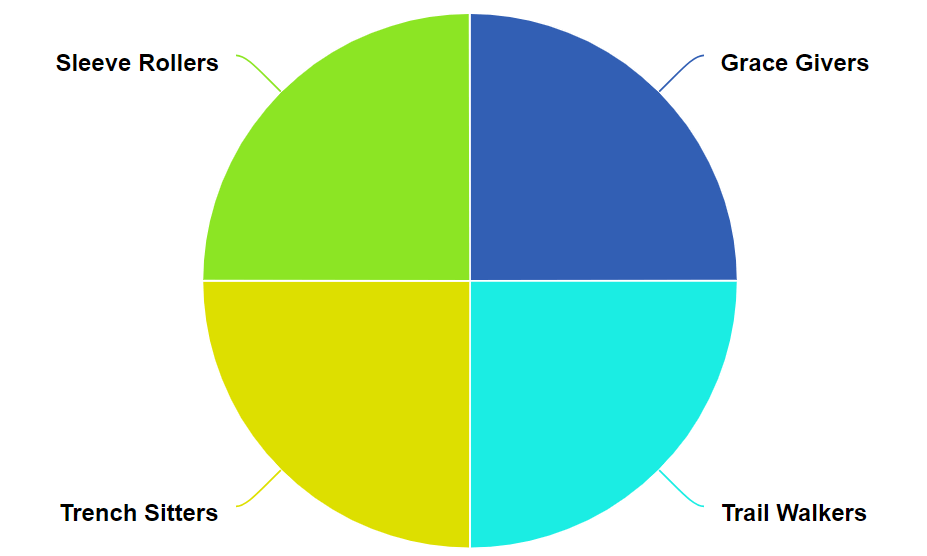
Grace Givers
Furthest on the outside are the Grace Givers. These are the folks who gift you with simple acts of everyday grace. They provide situational help and/or support while most of the time not even knowing they’re doing so. For the most part, they are strangers in passing or people that are on the outermost rings of your life. But, the power of their contributions are not to be underestimated when you are in the depths of the hard days.
Examples of grace givers include:
- The neighbor who doesn’t stare at your child’s meltdown in the front yard.
- The medical receptionist who waits patiently for you to look up basic information on your child- like a birthday.
- The boss who allows you to participate in an hour-long medical call on company time.
- The stranger who pays for dinner when they see that dining out wasn’t your best choice.
- A sympathetic smile from a fellow shopper when you’re doing your best to keep it together in the grocery store.
Trail Walkers
Trail Walkers demonstrate consistent, genuine care for those on the journey. They call or text to check up on the parents. Their focus is on you, the parent, not the juicy details of today’s dramatic behaviors. They listen without judgement, only providing input when its requested.
Those who walk the journey with you include:
- Friends and family located far enough away that physical support isn’t possible.
- Pastors tasked with care over a dozen or so other families.
- Other parents in high impact situations that are managing their own daily needs.
- Others who can’t support physically, but give 100% of themselves mentally.
Sleeve Rollers
As the name implies, Sleeve Rollers will literally roll-up their sleeves to help. This is a special class of people who see a need and make it happen. They freely give their time, resources and talents to not only walk alongside a family, but also make a tangible difference.
You’ll see these people serving by:
- Bringing a meal or coordinating a meal train.
- Providing child care for date night and bonus points for the child experiencing challenges.
- Fixing things in your home, whether or not its because of behavior.
- Running errands
- Taking children to practices, school or appointments
Trench Sitters
These are the fewest and rarest of all. They go where most won’t, not even some family members. Supporting at this level means getting really involved – only with the parents’ permission. You’re going to get messy in the bottom of the trench. You’re going to be inconvenienced and you’re going to experience some level of personal sacrifice.
Trench Sitters jump in with you and are privy to the ugliest sides of trauma and mental health. They’re witness to the behavioral outbursts, the episodes and your raw and real emotions. This is a level beyond platitudes and gracious acts of service. These folks lock arms with you during your hardest moments. Often, they carry you through the darkest sections of the journey. They will get messy before you even ask them to.
These special individuals will:
- Answer the phone at 3 a.m. when you need help in a crisis moment.
- Jump in the car for a multi-state road trip to help transport your child to a residential facility.
- Sit with you for hours in the ER while you go through the crisis intake process.
- Be an extra set of eyes, ears and hands when tensions are high in the home.
- Support you at the magistrate’s office, court or places where this journey gets really hard.
Which one of these best describes you? How have families helped you on your journey? Let me know in the comments below.
 shhip.net